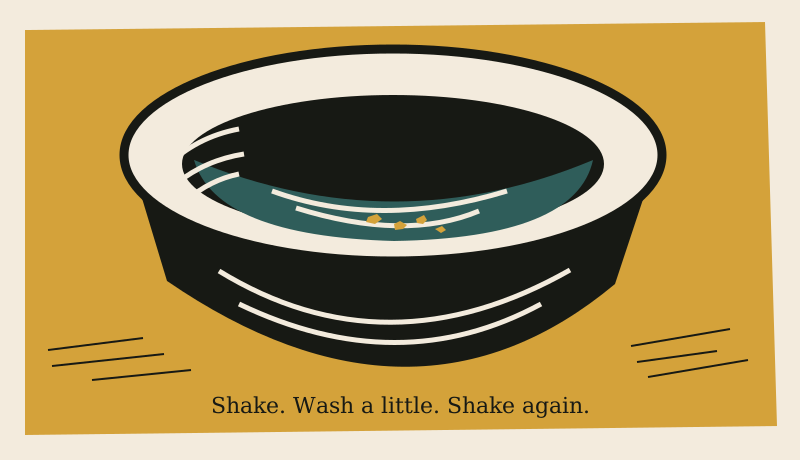
What a pan actually does
Gold is denser than the common minerals in river gravel. Water and agitation help heavy particles settle while you remove lighter material. Panning is a separation method, not a way to make an unpromising sample contain gold. NZ placer deposits are associated with transported sediment; Te Ara explains why Otago and the West Coast are important alluvial regions.
Start over a second tub. It catches everything you wash out, so you can check your technique. Use clean gravel for practice and keep any practice material out of natural waterways.
Pack for one useful session
Bring a ridged plastic pan, a snuffer bottle, a clear vial and drinking water. Add a scoop, bucket or classifier only if the area rules allow them. Wear footwear with grip and bring warm layers. A detector and powered pump are unnecessary for learning this motion.
Choose a permitted place with firm footing and an easy retreat. Work from the edge without entering moving water. A short session close to your exit is more useful than a long session where you cannot get comfortable.
Work through a pan
1. Start with a small scoop, rather than a full load. Submerge the gravel and loosen clay with your fingers. Shake the pan gently side to side with the material under water.
2. Rinse larger stones over the pan before removing them. Keep the pan almost level while shaking; this is the settling stage, not the washing stage.
3. Tilt the rim away slightly. Let a little water wash the top layer over the edge. Flatten the pan, shake again, then repeat. Alternate settling and washing instead of tipping everything away in one movement.
4. When only a spoonful of heavy material remains, use small amounts of water and a shallow tilt. Spread the concentrate so you can inspect it. Collect visible flakes with a snuffer bottle. Keep uncertain material in a labelled container for a second look.
Troubleshoot one thing at a time
Losing everything at once? Reduce the tilt and sample size. Thick clay balls? Break them up before washing. Too much black sand to see? Save the concentrate and finish it patiently at home in a contained tub.
Re-pan your practice tailings. If you find material you meant to keep, slow down and repeat the same motion with a smaller load. Do not use detergent, mercury or other chemicals in a waterway.
Leave a useful record
Write the place, sample size, ground type and result, including zero. A few colours are not a measured grade. Count your tools, restore permitted small disturbances and check freshwater-cleaning guidance before moving equipment between waterways.
Try this before the next step.
Practise three small pans over a tub. Change only the tilt between attempts. Re-pan each tailings batch and write which motion you can control best.
Sources & checks
These sources support the factual background. Exercises and buying checklists are Paystreak editorial suggestions, not reported recoveries, product tests or personal financial advice. Check live rules and notices before acting.